Being isolated from friends and family
Making it difficult to see loved ones, questioning every friendship or creating conflict whenever time is spent with others.
Understanding relationships · 6 minute read
Abuse isn't always physical. Sometimes it appears as constant criticism, financial restrictions or rules that make everyday life feel smaller. Understanding these patterns can be a first step towards finding support.

First, it's useful to know
Coercive control is a pattern of behaviour that takes away someone’s freedom, confidence or independence. It can involve intimidation, isolation, threats, surveillance, humiliation or control over money and daily decisions.
Individual relationships can be complicated, and not every disagreement is abuse. What matters is the pattern of behaviour and its impact: whether one person uses fear, pressure or control to limit the other's choices.
People can experience coercive control without physical violence. It can happen gradually, making changes difficult to recognise at first.
You do not have to wait until a situation becomes physical or reaches a crisis to ask for advice.
What to look out for
One behaviour on its own does not tell the whole story. Repeated actions used to frighten, restrict or control someone deserve attention.
Making it difficult to see loved ones, questioning every friendship or creating conflict whenever time is spent with others.
Restricting access to bank accounts, withholding essentials, demanding receipts or preventing someone from working or studying.
Demanding passwords, tracking locations, repeatedly calling or checking messages without consent.
Controlling what someone wears, where they go, who they speak to or how they spend their time.
Using insults, ridicule or persistent blame to undermine self-confidence and make someone doubt their own judgement.
Threatening harm, damaging possessions or using children, pets, housing or immigration concerns to exert pressure.
Regularly changing behaviour, hiding ordinary decisions or feeling frightened of what will happen when the other person is unhappy.
If any of this feels familiar
Recognising concerning behaviours can bring up a lot of feelings. There is no single right way to respond, and nobody should feel pressured into making decisions before they are ready.
If you are thinking about leaving a relationship, consider speaking with a specialist service about safety planning rather than confronting the person or announcing plans if that could increase risk.
Reverse Northwest CIC is a community-based organisation supporting women, children and young people affected by domestic abuse in the local community.
Request confidential support →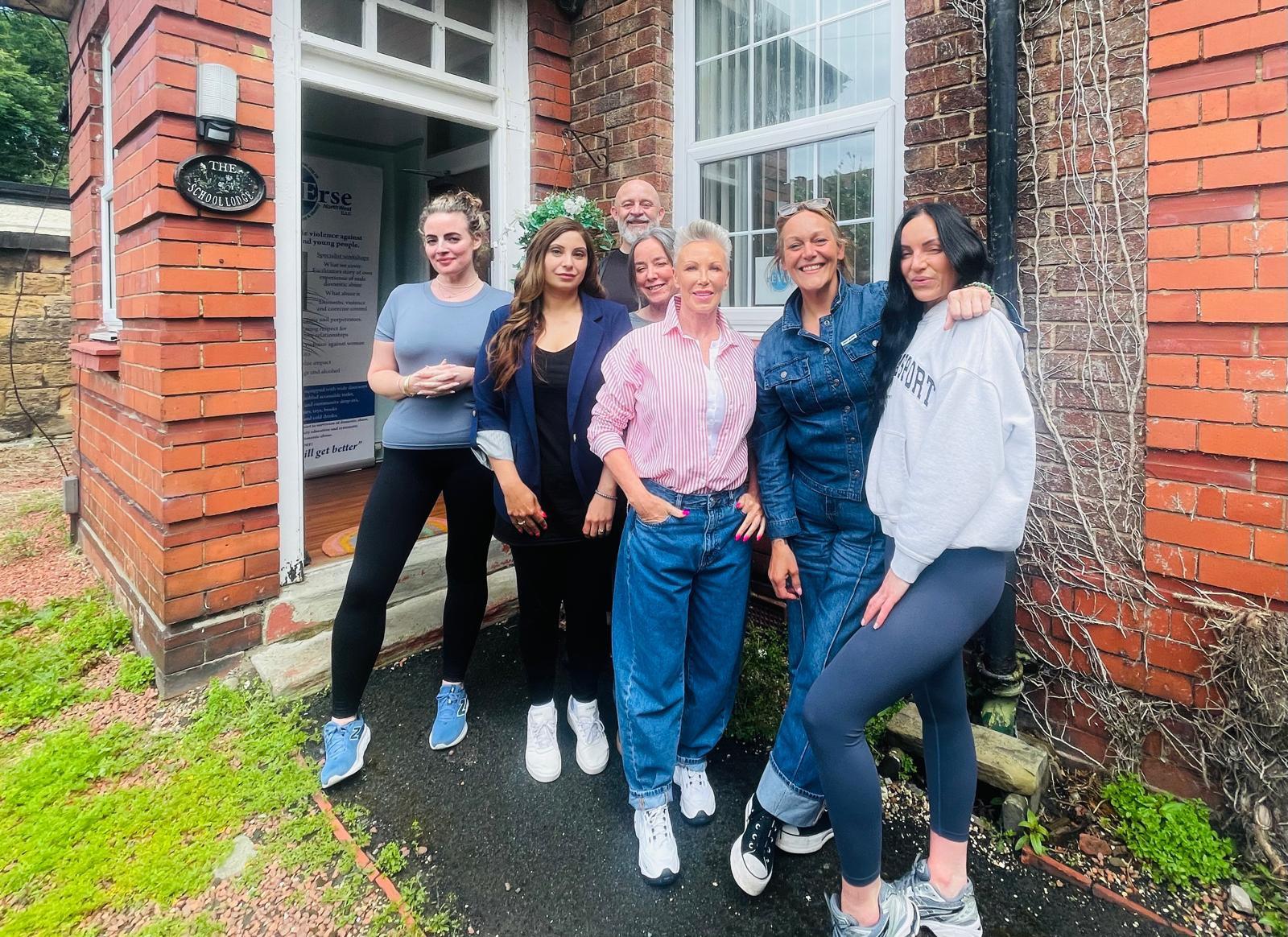
The organisation's published services include:
Availability and suitability of individual services should be confirmed directly with the team.
For friends and family
Listen without judgement, let them make their own choices and avoid pressuring them to leave. You can offer to help them contact a specialist service safely, but do not use their device or share their information without permission.
If a person is in immediate danger, call 999. For specialist domestic abuse advice in England, the National Domestic Abuse Helpline is available around the clock on 0808 2000 247.
Visit the National Domestic Abuse Helpline ↗Questions and reassurance
No. Domestic abuse can include emotional, psychological, sexual, financial or economic abuse, threats and coercive or controlling behaviour.
You do not need to label an experience before asking questions or seeking advice. A specialist service can help you explore your concerns without pressuring you into a particular decision.
The form is an optional way to request contact. Before submitting, check that your chosen phone number or email is safe to use and explain any restrictions. Reverse Northwest should confirm its response times and contact process on the form itself.
Yes. The information is freely available and you do not have to provide any personal details to read it.
Reverse Northwest CIC
If you have questions about a relationship or would like to explore the support available, you can use the confidential wellbeing check below. You do not need to be certain that what you're experiencing is abuse before asking for guidance.
There is no pressure to complete the form. Your safety and choices come first.
Before you begin
Only fill in the form if it is safe to use this device. If you ask to be contacted, use details and a contact method that are safe for you. The form is not an emergency service.
In immediate danger, call 999. If you cannot speak on a mobile, follow the operator's instructions and press 55 when prompted.